
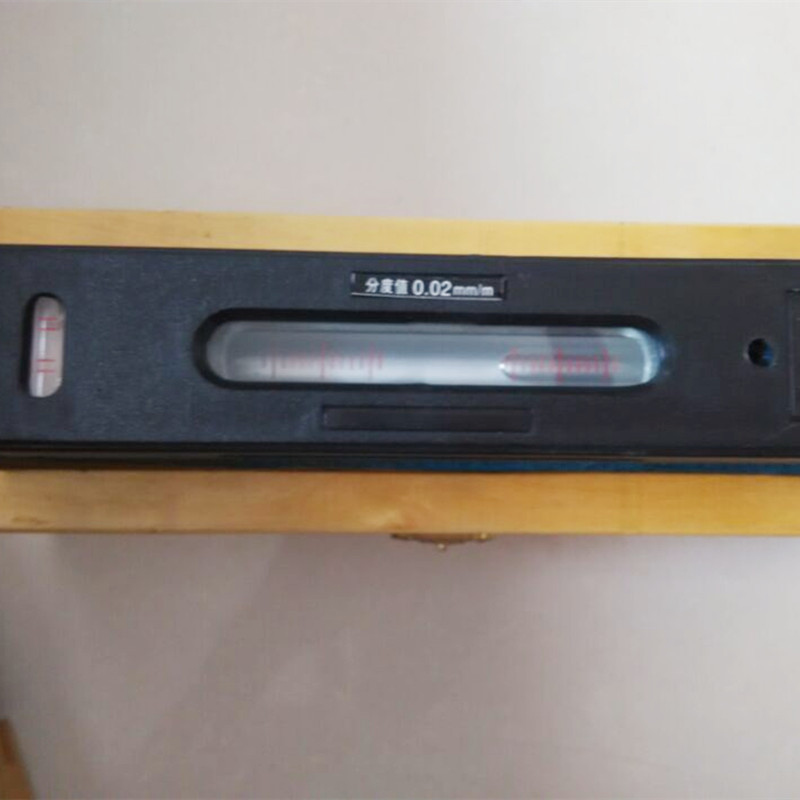
china clear float glass
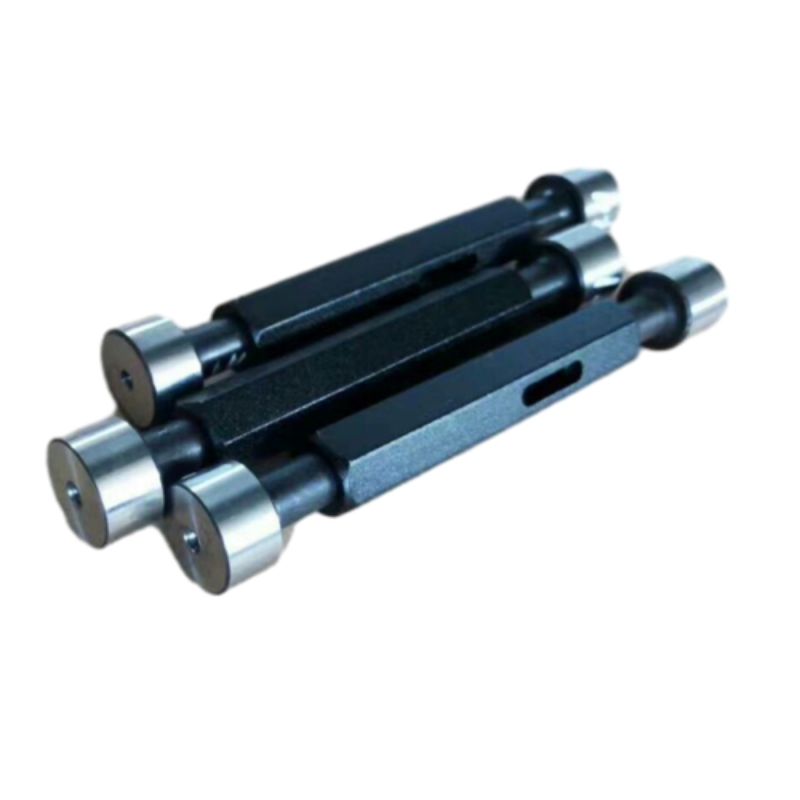
Spline Gage Calibration Ensuring Precision in Measurement Calibration is a critical process in maintaining the accuracy and reliability of measurement instruments, and spline gages are no exception. Spline gages are specialized tools used to measure the dimensions of various spline profiles, which are integral in the manufacturing of mechanical components such as gears, shafts, and couplings. The calibration of these gages ensures that they provide precise measurements essential for maintaining quality control in production processes. Spline Gage Calibration Ensuring Precision in Measurement The calibration of spline gages typically involves several steps. Initially, the gage is inspected for any physical damages or wear that might influence its accuracy. Following a thorough visual check, the gage is then compared against a master gage, which has been previously calibrated to a known standard. This comparison helps identify any discrepancies that may exist in the spline gage’s measurements. spline gage calibration Typically, calibration can be performed using both contact and non-contact methods. Contact methods involve physically placing the gage on the spline to obtain a measurement, while non-contact methods may utilize laser or optical measurements. Regardless of the method used, the goal remains the same to ascertain that the spline gage outputs measurements that are accurate and repeatable. After the calibration process is complete, detailed records of the results are maintained. These records are crucial as they ensure traceability and can be referred to during audits or quality assurance checks. Accurate documentation also aids in identifying trends over time, which can signal when recalibration may be required due to wear or material fatigue. In many industries where spline products are integral, including automotive, aerospace, and heavy machinery, the consequences of using uncalibrated or poorly calibrated gages can be severe. Components that do not meet specifications may lead to product failures, increased manufacturing costs, and compromised safety. In conclusion, spline gage calibration is a fundamental process in quality assurance that plays a significant role in ensuring mechanical components perform as intended. By adhering to strict calibration protocols, manufacturers can enhance product quality, improve operational efficiency, and ultimately ensure customer satisfaction. Through consistent application of best practices in spline gage calibration, industries can better safeguard the integrity and reliability of their products.
about
china clear float glass
Flow Control Valve Types An Overview Flow control valves are essential components in various industrial processes, used to regulate the flow of liquids or gases within a system. Their functionality is crucial for maintaining the efficiency and safety of fluid handling and distribution. In this article, we will discuss the different types of flow control valves, their operating mechanisms, and their applications across various industries. Types of Flow Control Valves 1. Gate Valves Gate valves are primarily used for on/off control of flow. They operate using a sliding gate or wedge to obstruct or allow fluid passage. When fully open, gate valves provide minimal resistance to flow, making them suitable for large pipelines. However, they are not ideal for throttling purposes as they can lead to erosion and damage. 2. Globe Valves Unlike gate valves, globe valves are designed for throttling applications. They consist of a spherical body with an internal baffle that regulates flow by altering the cross-sectional area through which the fluid can pass. Globe valves provide good control over flow rates, making them suitable for applications requiring precise flow modulation. 3. Ball Valves Ball valves utilize a spherical ball with a bore to control flow. When the ball is rotated, it allows or blocks flow, providing a quick shut-off mechanism. While primarily used for on/off control, ball valves can also be used effectively in flow control applications, depending on their design and actuation method. 4. Butterfly Valves Butterfly valves consist of a circular disc that rotates on a shaft to control flow. They are lightweight and compact, making them ideal for large diameter pipes. Butterfly valves can be used for both on/off and throttling services, and they are often employed in water supply, wastewater treatment, and HVAC systems. 5. Check Valves Check valves are designed to prevent backflow in a system. They allow fluid to flow in one direction only, using a disc or ball that moves toward the seat to block reverse flow when pressure drops. Common applications of check valves include pump systems, where preventing backflow is critical for protecting equipment and maintaining system integrity. flow control valve types 6. Needle Valves Needle valves are specialized valves used for fine control of flow rates. They feature a slender, tapered plug that fits into a seat, allowing for very small flow adjustments. Needle valves are commonly found in laboratory and process applications where precise control of fluid delivery is necessary. 7. Pressure Relief Valves Also known as safety valves, pressure relief valves protect against excessive pressure in a system. They automatically open to release fluid when a predetermined pressure is reached, preventing potential hazards such as pipe ruptures or equipment failures. These valves are crucial in industries such as oil and gas, chemical processing, and water management. Operating Mechanisms Flow control valves can exhibit different operating mechanisms, including manual and automatic operations. Manual valves require an operator to adjust flow rates physically, while automatic valves utilize actuators controlled by sensors or programmable logic controllers (PLCs) to adjust flow according to real-time conditions. The choice between manual and automated valves often depends on the specific application, the required precision, and the ability to respond to changing conditions. Applications Across Industries Flow control valves are utilized across a wide range of industries, including water treatment, oil and gas, pharmaceuticals, food processing, chemical manufacturing, and HVAC. In water treatment, for instance, valves control the flow of water through various treatment stages. In the oil and gas sector, they regulate the flow in pipelines, refineries, and drilling operations. Similarly, in pharmaceuticals, precise flow control is vital for maintaining product quality and compliance with regulatory standards. Conclusion Understanding the various types of flow control valves and their respective applications is crucial for optimizing fluid systems. Each type of valve has its unique advantages and operating principles, making it suitable for specific applications. By selecting the appropriate flow control valve, industries can enhance efficiency, maintain safety, and ensure the reliability of their operations. Whether it’s a simple manual valve or a sophisticated automated system, flow control valves play a pivotal role in the smooth functioning of processes across the board.
-

High quality industrial productsagement

High quality industrial products
View Details -

Meet the diverse needs of customers

Meet the diverse needs of customers
View Details -

Strict quality control

Strict quality control
View Details -

Top raw materials

Top raw materials
View Details -

Trusted supplier

Trusted supplier
View Details
Our application
news and information
wood frame truss nail plate
Understanding Wood Frame Truss Nail Plates A Structural Perspective In the realm of modern construct

wood frame truss nail plate
Understanding Wood Frame Truss Nail Plates A Structural Perspective In the realm of modern construct
Vannventil for kontroll av vannstrøm og trykkregulering
Vannventilens Rolle i Vannfordeling Vann er en av de mest essensielle ressursene på jorden, og forva
 English